01
Wang Xizhi’s Sangluan Letter
The exhibition starts its story with the Sangluan Letter of Wang Xizhi, the sage of calligraphy, brought from China in the Nara period.
Art exhibitions
2027.03.25 — 2027.05.16 · Coming soon
Japanese Calligraphy: A 1,300-Year Legacy of Beauty — Tokyo
The last of the Sannomaru Shozokan’s grand opening exhibitions traces 1,300 years of Japanese calligraphy, starting from the Sangluan Letter of the sage of calligraphy Wang Xizhi, brought from China in the Nara period, with distinctive works from the collection, emperors’ own writing, sutras copied in faith and the ink of Zen monks. Nurtured at court, among nobles and in temples and shrines, calligraphy became part of everyday culture. At a time when we rarely write by hand, the organisers hope visitors will rediscover the pleasure of reading, writing and looking at calligraphy through each era’s taste and each writer’s character. It runs from 25 March to 16 May 2027 in two rotations with major changes of works.
The exhibition starts its story with the Sangluan Letter of Wang Xizhi, the sage of calligraphy, brought from China in the Nara period.
Art exhibitionsEmperors’ own writing appears alongside sutras copied in faith and the ink of Zen monks, each with its own hand.
Art exhibitionsFrom the Nara period to today, see how Japanese calligraphy moved from court, nobles and temples into everyday life.
Art exhibitionsChecked · 2026-10-15
Swipe to explore · Tap to enlarge
2023 · 江戸村のとくぞう · Photo source · CC0 · Preview cropped; enlarge for full image. · Report image rights
The sale date is not out yet; entry needs a booked date and time.
The works change substantially between the two rotations.
Closed Mondays, plus 20 April and 6 May.
No gallery plan has been published for this exhibition.
Open official guide ↗Thursday 25 March to Sunday 16 May 2027 (Japan time), in two rotations with major changes: 25 March–18 April and 21 April–16 May. 9:30am–5pm (last entry 4:30pm), until 8pm on Fridays and Saturdays (last entry 7:30pm). Closed Mondays (open 3 May) and on 20 April and 6 May.
Asia/TokyoThe Sannomaru Shozokan is inside the East Gardens of the Imperial Palace, 1-8 Chiyoda, Chiyoda-ku, Tokyo, about 100 m from the Ōte-mon gate; about 5 minutes on foot from exit C13a of Ōtemachi station and 15 minutes from the Marunouchi North Exit of Tokyo station.
Entry is by booked date and time; there are no same-day tickets at the venue. School and university students and under-23s are free, as are disability certificate holders with one carer; most free visitors must also book and show a student card or ID (except primary school children and younger). You may have to wait to enter on busy days. The museum is inside the East Gardens of the Imperial Palace, with security checks at the entrance.
JPY 2,500
Confirm accessibility services and companion policies with the organiser before travel.
Dates and entry details refer to this edition; individual sessions may differ.
After Wang Xizhi · Public domain Image source
Museum of the Imperial Collections, the Yomiuri Shimbun and NHK
Wang Xizhi’s Sangluan Letter (part of the Tang-dynasty copy, public domain), shown in this exhibition.
Information checked on 2026-10-15
Suggest a correction ↗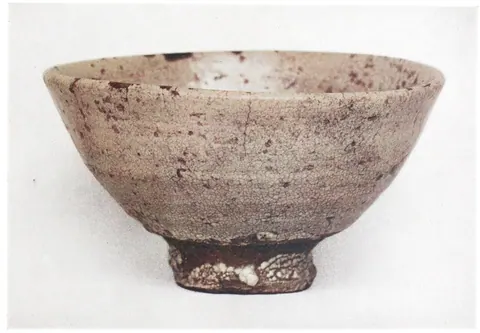
Seven centuries of Daitokuji treasures in Tokyo: 14 National Treasures, 69 Important Cultural Properties and the famous Kizaemon tea bowl.
Japan · Tokyo

Made in Abyss holds its first reproduction original-art show, printed right out past the trim lines of the manuscripts.
Japan · Tokyo
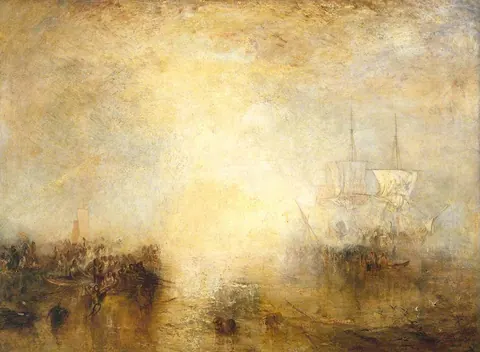
More than 80 Turners from Tate come to Ueno, hung beside works by Rothko and Olafur Eliasson.
Japan · Tokyo


Share your experience